

Information Science: The aggressive U.S. push to control the energy sector in Venezuela and the Iran war.
Originally shared April 24. This project was launched publicly May 10, 2026
Control
Halfway through the second Trump Administration, U.S. military intervention mimics the socialist economies of invaded countries.
The Iran war is a reminder that the U.S. economy is not U.S. democracy. The Jan. 3 capture of Venezuelan President Nicolás Maduro and the military action in Iran are geopolitical moves to replace state-control of oil reserves in Iran and gain control of Venezuelan oil through private investment from U.S. companies.
The information science angle is to limit visibility of the country. Prior to U.S. military action, a travel ban was in place in Venezuela. Travel advisories from the U.S. Embassy were Level 4, and are now Level 3. And social media videos of president Maduro and his wife eating the national dish, were considered a slight. Twenty-five years into the century, similarities between U.S. culture and Venezuelan culture are becoming visible: authoritarian, carnivorous, and masculine.
Section 1
Is the U.S. Becoming an Oil-rich Petrostate?

The Council on Foreign Relations
The soft power of a sustainable future and the environmental justice of an activist public puts the U.S. in the shadow of China. Competition over exports and a green energy economy has forced the country’s investment in fossil fuels.
America is a country with a dying oil industry, but it’s also a top producer. While prices surge and demand slows for U.S. oil, the country has also invested in the future of private companies in Venezuela. Chevron is the only oil company that remained in Venezuela after 2006, when economic turmoil caused U.S. companies to exit. The future presence of U.S. oil companies in Iran is unknown, but a recent House of Representatives vote to continue the war is a show of support.
Both Venezuela and Iran could be considered petrostates, but authoritarian Venezuela can be understood as and calls itself “the new poor,” and Iran, while oil-rich, is a theocracy: conservative and socialist if necessary.
The difference between U.S. democracy in comparison to Venezuela is difficult to see in the 2026 economy. Separately, China is a U.S. economic competitor, and the second Trump Administration’s sanctions and reaction to China, are a way to understand the U.S.
The U.S. relationship with Venezuela changed following the 2024 presidential elections in both countries. U.S. crude oil is still mostly sourced from Texas. Sanctions, military intervention and war have been the focus of the second Trump Administration’s foreign policy agenda. Continued investment in fossil fuels differentiates the U.S. from China, and a green energy sector in the U.S. isn’t in view.
The answer to the question of whether the U.S. is like China is obvious. China’s green energy economy and investment in smart cities of the future, characterizes the U.S. as a petrostate. U.S. action for oil dominance has been at the cost of the consumer and casualties of war.
Gov. Gavin Newsom announced price controls in California in 2025, just as the U.S. invaded Venezuela. The authoritarian government tactic was in place during the decline of the Venezuelan oil industry. While California’s energy sector is separate from the rest of the country, it is a major oil producer with imports from foreign countries. As the primary exporter of oil to Arizona and Nevada, California could be a case study in transitioning to a green future while managing oil dependency.
Walkability, air quality and emissions, transportation and transit are foundational to smart, green cities. California’s population density makes the idea of a city expansive. With gas prices higher than any other U.S. state, California’s price controls are an alarm.
The U.S. has seen higher costs and higher prices since the invasion of Venezuela and the start of the Iran War. Authoritarian countries like Venezuela typically experience hyperinflation, and the South American country has re-denominated it’s currency several times. In contrast, the Federal Reserve has been cautious about cutting U.S. interest rates due to inflation risks. Energy sector volatility could put the U.S. inflation rate above target.
Comparatively to Venezuela, the U.S. significantly increased the amount of currency in circulation between 2020 and 2023 to prevent an economic downturn, or, at worst, collapse. Printing money for reasons other than replacing old currency is also cause for alarm.
The U.S. may not be an authoritarian petrostate, but the pursuit of an oil-rich future may make the country more like Venezuela.
Section 2
Venezuela’s “meat boutique” and “the new poor”
The climate crisis and emissions can be traced to an increase in beef consumption.
What’s fueling meat consumption?
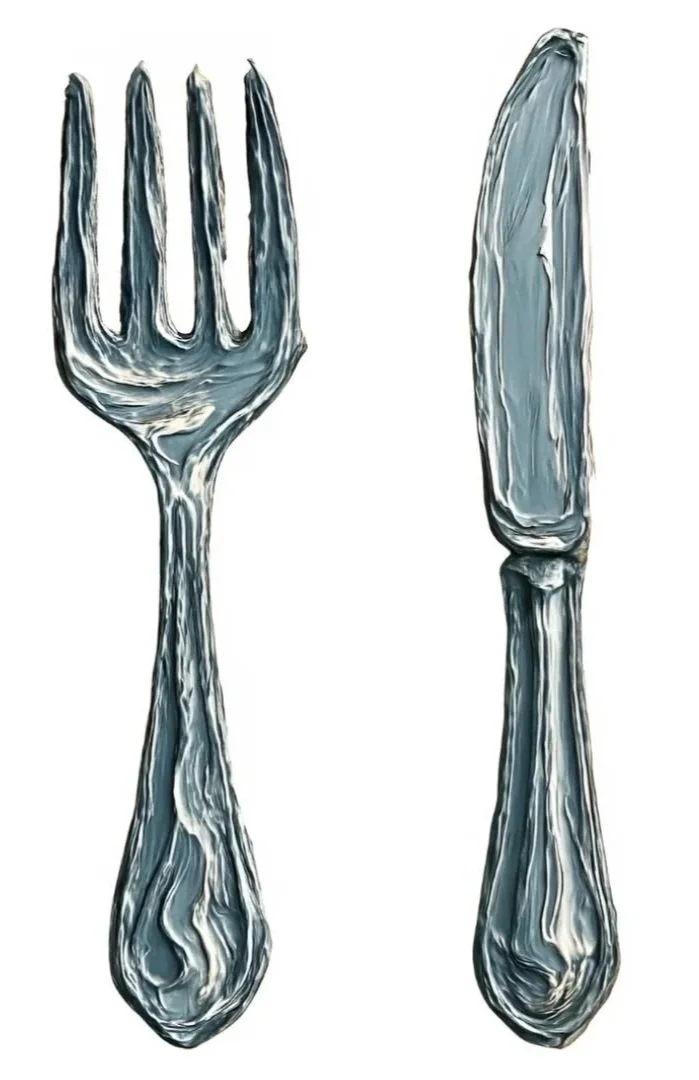
The Venezuelan lifestyle: meat = money.

U.S. beef consumption has increased since 2023. In 2025, the U.S. Department of Agriculture reports 226 pounds of beef are available per consumer. And a March 2026 Food Industry Association survey cites a record $112 billion in meat sales.
The dietary guidelines for Americans released in 2025 now recommend protein—meat— at every meal. Previous editions, 2015 and 2020, recommend fruits, vegetables and a balanced diet.
The increase in beef consumption highlights similarities between carnivorous Venezuelan culture, and the U.S.
As the country enters the next 25 years of the century, U.S. eating habits and cultural habits are mimicking the Venezuelan working class—“the new poor” developed under nearly 20 years of dictatorship, first Hugo Chavez then Nicolás Maduro.
Livestock issues and missing Pabellón Criollo.
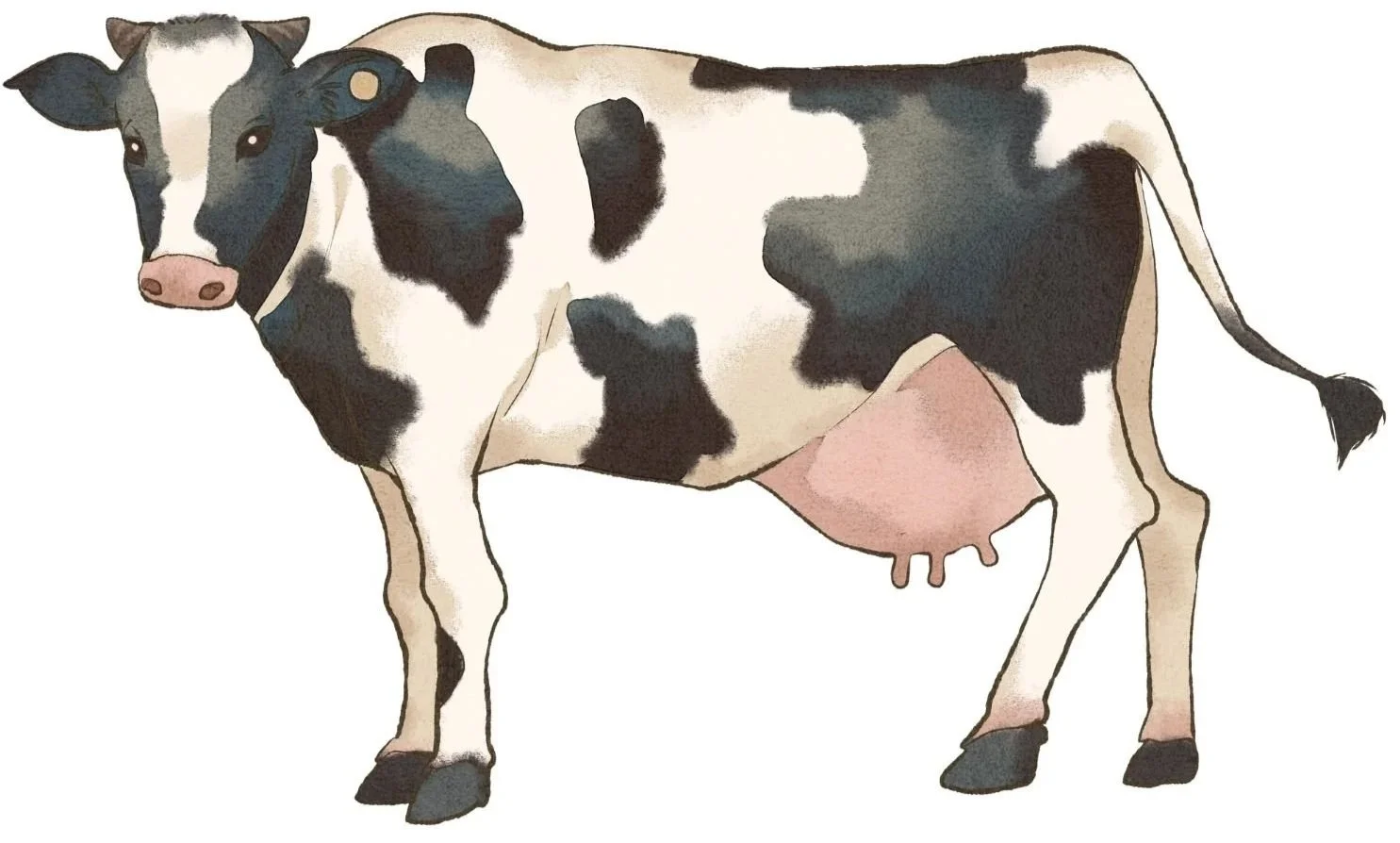
In the 2002 book “Designing the World’s Best Supermarkets,” a Venezuelan grocery store features a “meat boutique.” For Venezuelans meat equals money.
The Venezuelan diet is primarily meat-based and the 2017 economic collapse, moved Venezuelan eating habits toward vegetables and grains.
The Maduro Diet became synonymous with the agricultural crisis. Nearly 1 million Venezuelan immigrants have migrated to the U.S.
In contrast, the U.S. diet is historically more balanced, with chicken and pork as the most consumed meat.
In the U.S. typically women and younger individuals eat less meat, while men aged 50 to 65 consume the most beef.
Beef has been associated with aggression, and it can be inferred that Venezuelan El Malandreo or Machismo is linked to beef.
The agricultural crisis in Venezuela is also due to foot and mouth disease, which devastated livestock.
The national dish is pabellón criollo, shredded beef with rice, plantains and black beans. During the crisis, Venezuelans fled the country amidst reports of malnutrition and weight loss due to lack of access to meat.
The country’s economic collapse is an example of breadline economics. Reports in 2017 of a “bread war” are reminiscent of the Great Depression.
The U.S. doesn’t have a national dish. While grocery prices have been a concern, democracy and government intervention have always ensured economic recovery.
U.S. involvement in Venezuela, and the 21st century affinity for mimicry have caused U.S. culture to change quickly, potentially for the worse.
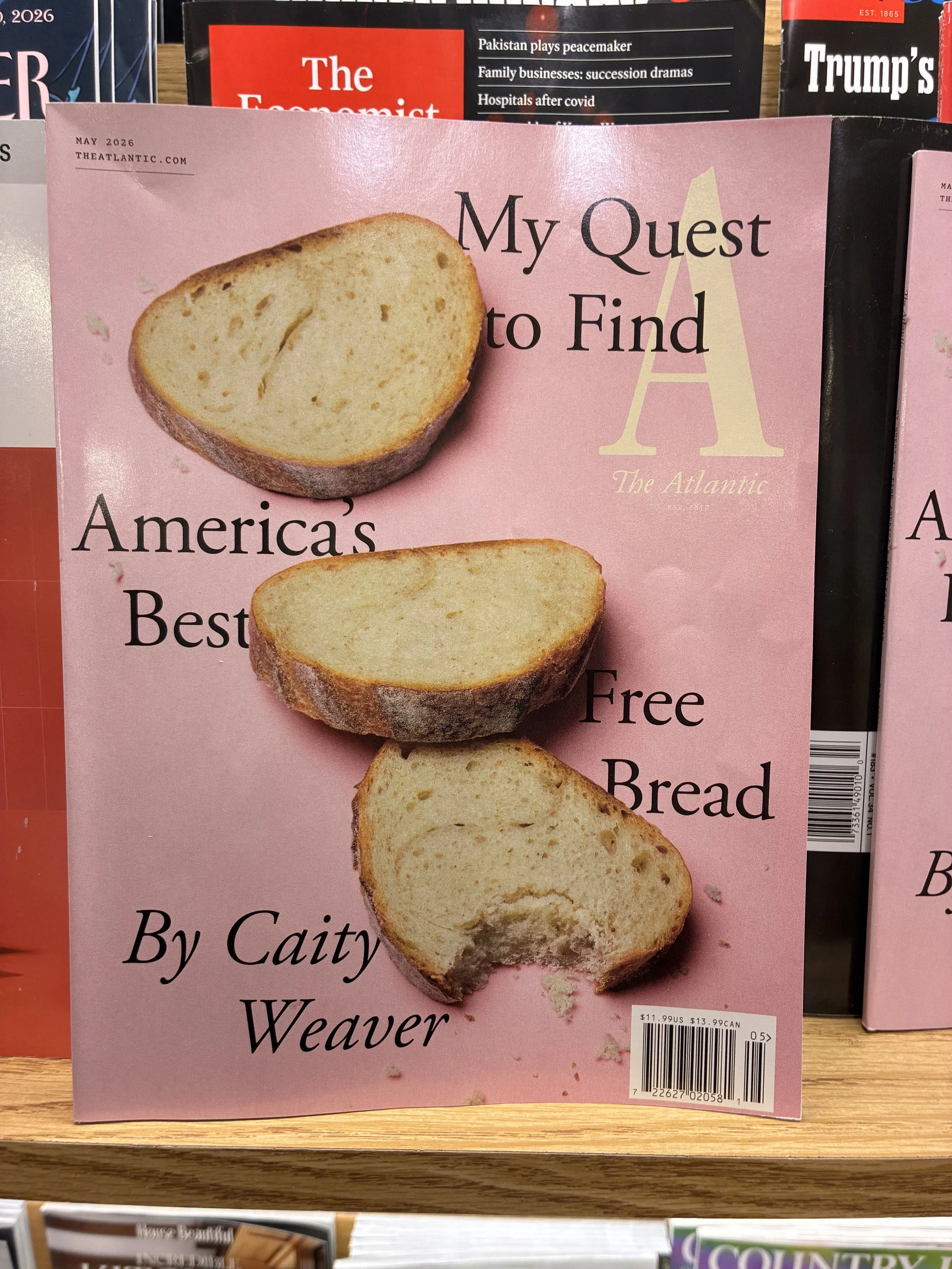
A recent cover story from The Atlantic about a road trip across the U.S. for free bread. The article brings to mind breadline economics. In images of the Great Depression, long lines of Americans wait for free bread. While the U.S. outlook isn’t completely poor, involvement with countries like Venezuela could lead to an economic downturn.
Section 3
Isolationist policy and military intervention
Post-pandemic U.S. policies have turned early 21st century foreign policy upside down.
The U.S. removed itself from the Paris Climate Agreement in 2016. In 2024, the second Trump Administration exited the United Nations Conference of Parties (COP). U.S. foreign policy has been isolationist since 2019.
The COP21 treaty was an agreement to reduce greenhouse gas emissions to below 1.5 degrees Celsius. Following the U.S. exit from the agreement, carbon emissions have increased in the U.S. Climate advocates don’t agree with the country’s direction on oil, fossil fuels, and the energy sector.
U.S. military intervention in Venezuela is an attempt to gain dominance by acquiring more oil. Military intervention is not isolationist, and highlights the country’s investment in hard power. A 2026 presidential administration memorandum declares that participation in globalist entities is “contrary to U.S. priorities.”
In addition to leaving COP, the U.S. also threatened to leave the North Atlantic Trade Agreement (NATO) in early 2026. After invading Iran, NATO countries refused to support the U.S..
Iran’s oil reserves are at stake in the war. The U.S. placed a naval blockade in the Strait of Hormuz on April 13, and recently fired on ships in the waterway belonging to the U.K. and France. They are among the 51 countries that led the Strait of Hormuz summit to discuss energy security and economic stability. The expression of support is a diplomatic response to reopen the Strait. President Trump continues to threaten Iran and the U.S. has maintained control of the Strait, despite peace talks, reaffirming the U.S. commitment to pursuing Iranian oil.
The lack of sustainable energy policy in the U.S. during the second Trump administration may delay the country’s future progress.
This is a developing story. I’ll update the above as new information is released.
Section 4
Looking Ahead 2026: The State of U.S. Sustainability
Halfway through the Trump Administration
The Dec. 7, 2009 Greenhouse Gas Emissions (GHG) Endangerment finding has been eliminated.
The report found that carbon dioxide (CO2), methane (CH4), nitrous oxide (N2O), hydrofluorocarbons (HFCs), perfluorocarbons (PFCs), and sulfur hexafluoride (SF6) were endangering Americans. Climate activism in government has ended under the second Trump Administration.
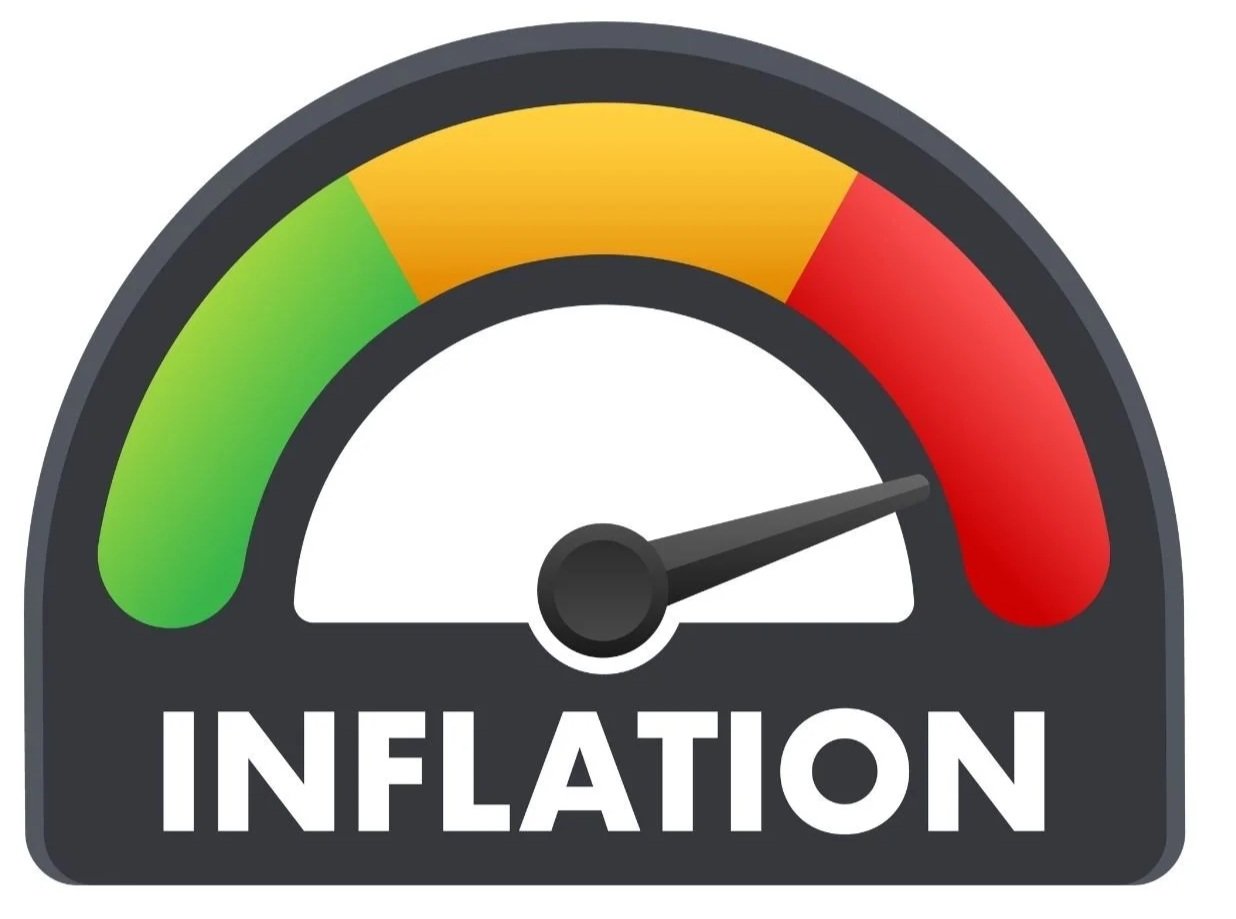
Hard power moves: confidence, uncertainty and inflation.
Confidence in the economy is low. According to a March 2026 Gallup poll, 66% of Americans think the economy is “getting worse.”
Uncertainty in the U.S. has been elevated since 2019. Geopolitical risks, stock market volatility, inflation, a slowdown in hiring, and wage stagnation in the labor market, weakened trade and delayed and reduced investment and spending have increased uncertainty.
Inflation is up .9 percent overall. And fuel and oil are up 30.7 percent. Reports of the economic outlook predict inflation will continue to increase in the next year due to the Iran War.
Hyperinflation in Venezuela was a cause of the economic collapse of the country. U.S. action to counter negative economic indicators may be necessary to secure the hard power of global economic dominance.

U.S. soft power: What’s next for America?
Competition with China and Venezuelan immigrants may be responsible for Freaky Friday 2 and Bad Bunny. American culture is changing and soft power, the global cultural power of the U.S., has declined. Isolationist policies, military intervention and a decrease in government investment in the arts and humanities have contributed to a lack of influence globally.
For America to regain it’s cultural influence, creativity and investment in U.S. democratic ideals is necessary. Sustainability, environmental justice and climate activism are among the areas that the U.S. can evolve to gain soft power. Investment in the future of cities, green energy, food and agriculture can make the U.S. a more attractive nation.
In Progress
Video
.
Chevron’s ESG Investment: Geological Art in Greeley
Just 7 miles from the Weld County ‘blowout’ due to an inadequate barrier.
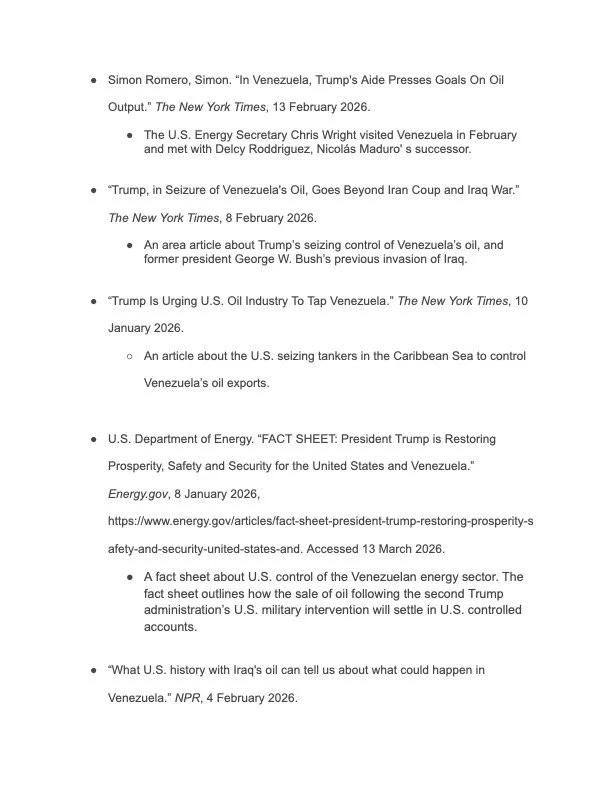
The arch in Weld County commemorates the geology of Colorado. A 2025 oil spill highlights the tension between the investment in Environmental and Social Good (ESG) by Chevron. The company’s “improper and inadequate” setting and barrier was unable to prevent the “geyser of oil and gas” that resulted in the largest spill in the state since 2015.Annotated Bibliography
Page 1
Page 3

Page 5

Page 2
Page 4

Page 6